It’s been two months since the iPhone 18 Pro and Pro Max launched, yet the standard iPhone 18 is still nowhere to be seen. That leaves the price-hiked iPhone 17 lineup as the only non-Pro models on sale, while the high end is now covered by the iPhone 18 Pro series, which costs another $100 more.
If you’re torn over which phone to pick, don’t rush to compare which one is better. The question really worth thinking through is this: which one gives you more value for the money.
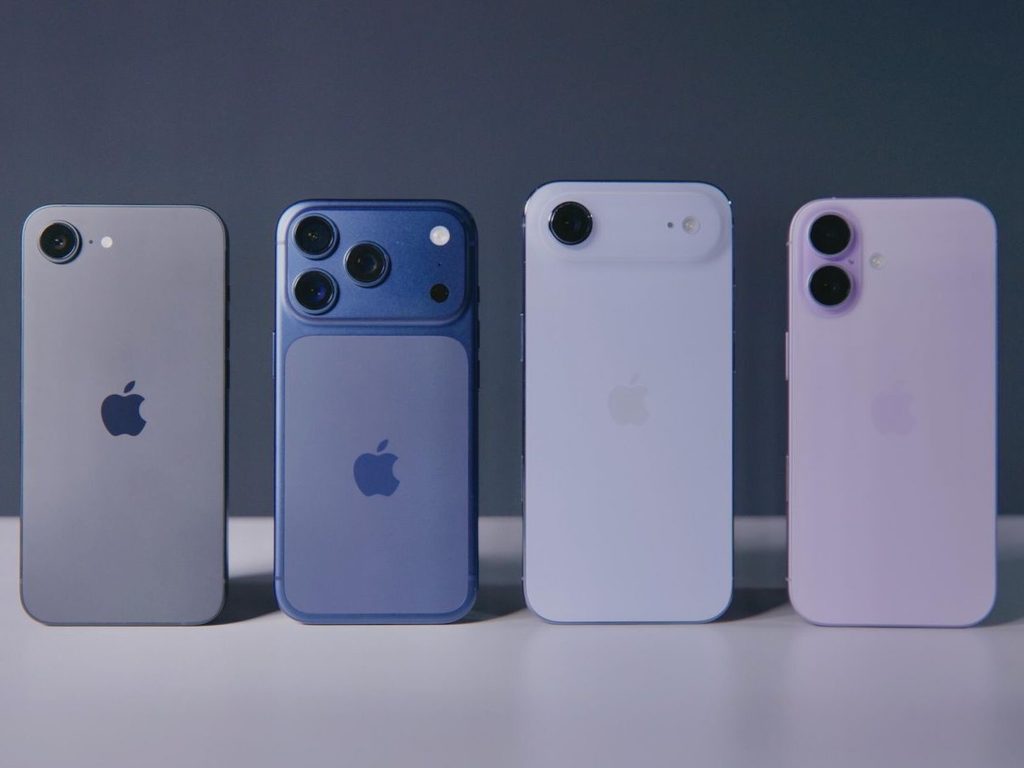
Current Models and Prices
The 256GB iPhone 17 starts at $899, up from $799 before the September price adjustment. It comes with dual 48-megapixel cameras, the A19 chip, and a 6.3-inch 120Hz ProMotion display.
The iPhone 17 Air starts at around $1,099. Its main selling point is an ultra-thin body, it runs on the A19 Pro chip, and it has just a single 48-megapixel camera.
The iPhone 17 Pro and Pro Max were discontinued when the iPhone 18 Pro series launched. They’re now only available on the secondhand market or through third-party sellers.
The 256GB iPhone 18 Pro starts at $1,199, and the iPhone 18 Pro Max at $1,299. Both can be configured with up to 2TB of storage. They’re powered by the A20 Pro, Apple’s first chip built on a 2nm process, and the main camera supports a variable aperture for the first time.
Display and Design
Both the standard iPhone 17 and the iPhone 18 Pro use a 6.3-inch Super Retina XDR OLED display with ProMotion adaptive refresh rates up to 120Hz, an always-on display, and high peak brightness. The iPhone 18 Pro Max keeps the same 6.9-inch screen as the previous Pro Max. In everyday use, these displays perform very similarly. They’re bright, scrolling is smooth, and they hold up fine outdoors.
In terms of design, the iPhone 18 Pro carries over the aluminum unibody and second-generation Ceramic Shield from the iPhone 17 Pro. It weighs about 211 grams, roughly 5 grams heavier than the iPhone 17 Pro. The iPhone 17 is much lighter at around 177 grams and comes in a wider range of colors.
Bottom line: the displays are evenly matched, but the iPhone 17 is lighter and easier to handle, making it more comfortable for everyday use.
Performance
The chip is the first place where these two tiers pull apart. The iPhone 17 runs on the A19 chip, the 17 Air on the A19 Pro, and the iPhone 18 Pro gets the A20 Pro built on a 2nm process.
The new chip’s GPU is said to be about 40% faster than the A19 Pro, with higher memory bandwidth and a more powerful Neural Engine. Combined with an improved vapor chamber, it holds up more steadily under sustained heavy loads.
In real-world use, though, the gap isn’t as big as the specs suggest. Everyday tasks like browsing the web, scrolling social media, taking photos, and video calls all run smoothly on both phones. The difference only becomes noticeable in demanding scenarios like long gaming sessions, large video editing projects, and on-device AI processing.
Bottom line: the A20 Pro is indeed faster, but most users will barely notice the difference in daily use. The iPhone 17’s performance is already excellent.
Cameras
The iPhone 17 uses a dual 48-megapixel setup with a main camera and an ultra-wide. That’s plenty for most people, and its computational photography is solid.
The iPhone 18 Pro and Pro Max feature a triple-camera system with a main, ultra-wide, and telephoto lens, all 48 megapixels. The telephoto supports 4x optical zoom and up to 8x total. The biggest highlight is the main camera’s variable aperture, ranging roughly from f/1.48 to f/4.0. This lets you capture cleaner shots in low light and gives you more control over depth of field in portraits.
If you take a lot of photos or videos, the iPhone 18 Pro’s advantage will be obvious. If you just snap casual shots of daily life, the iPhone 17’s dual cameras will fully meet your needs.
Bottom line: the cameras are the iPhone 18 Pro’s biggest selling point. But if photography isn’t a priority, the iPhone 17’s photos won’t disappoint you either.
Battery and Charging
For battery life, the iPhone 17 delivers up to about 30 hours of video playback, with a battery capacity of roughly 3,692 mAh. The iPhone 18 Pro reaches up to about 36 hours, while the iPhone 18 Pro Max hits around 45 hours, among the best figures Apple has ever published.
The iPhone 18 Pro also charges faster. With a high-wattage charger it can reach 50% in about 15 minutes, compared to roughly 20 minutes for the iPhone 17 lineup. Both support MagSafe and Qi2 wireless charging.
Bottom line: the Pro Max’s battery life is very appealing for heavy users, but for average users the iPhone 17 easily lasts a full day, at a friendlier price.
Which One Should You Buy?
For most people, the iPhone 17 lineup is the better deal. A 120Hz high-refresh-rate display, capable dual cameras, full Apple Intelligence, and reliable performance, it has every core experience of a modern iPhone, at a notably lower price.
The $300-plus premium for the iPhone 18 Pro mainly buys you better cameras, a faster chip, and longer battery life. These upgrades are all genuinely good, but they’re hardly essential for most users.
So the conclusion is simple. If photography and battery life are your top priorities, the iPhone 18 Pro, especially the Pro Max, is better suited for long-term use. If not, go with the iPhone 17 with confidence, or keep an eye out for discounted older models and put the money you save toward something else.