The TCL 40 NXTPAPER never pitched itself as a flagship model. Back when it launched, its core concept was simple: a matte, paper-like LCD screen that was far easier on the eyes than glossy entry-level displays. Two or three years down the line, many TCL 40 NXTPAPER units are showing typical signs of mid-life decline, like shorter battery life, sluggish performance, and outdated software.
The obvious question is whether you should keep pouring money into it or just upgrade straight to the TCL 50 NXTPAPER.
Where the TCL 40 Still Shines
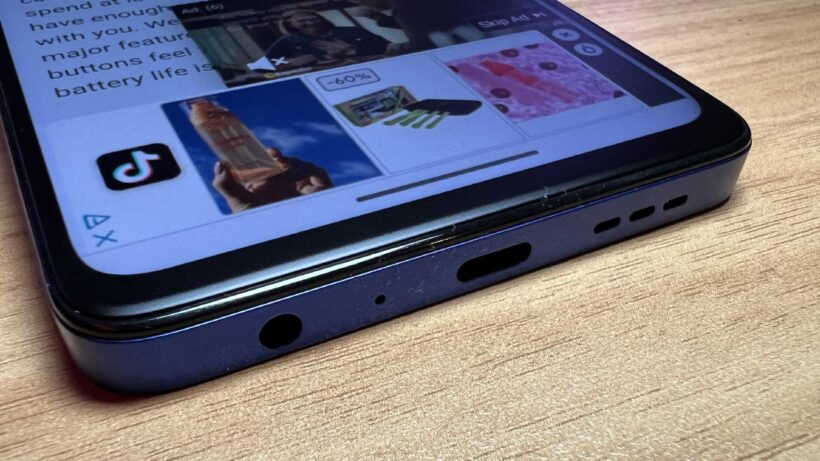
The screen remains the real selling point of this phone. It is not an E-ink screen, but a backlit IPS panel topped with a textured anti-glare layer, a low blue light mode, and options for color or grayscale “paper” display modes. For long reading sessions, comics, or browsing the web late at night, that unique paper texture is still impressive. This 4G Full HD model also comes with microSD card expansion, a 3.5mm headphone jack, NFC, and 33W fast charging.
However, its battery life was never anything to write home about. Mixed usage gave you roughly a day to a day and a half, nowhere near the standby times of a Kindle. As the battery ages, that endurance fades quickly.
What Changes with the TCL 50 NXTPAPER?
The TCL 50 NXTPAPER keeps the same battery capacity, fast charging speed, and paper-like display layer as its predecessor, while refining the experience in several key areas:
- Refresh rate bumped from 90Hz to 120Hz
- Includes a dedicated NXTPAPER Key slider and Max Ink Mode
- Upgraded to a MediaTek Dimensity 6300 processor with 5G support
- 108MP main camera plus an 8MP ultra-wide lens
- eSIM support and Bluetooth 5.3
Screen brightness has not seen a major boost. Just like the older model, the TCL 50 screen can still feel a bit dim outdoors. Camera performance remains in the “decent enough for the price” territory.
Repair Cost Breakdown in 2026
A replacement battery for the NXTPAPER 40 4G is fairly inexpensive. If your screen is still in good shape, swapping the battery is a smart, cost-effective fix.
If the screen is cracked, however, it is a completely different story. Installing a generic LCD panel destroys the phone’s signature anti-glare texture. OEM replacement parts are noticeably more expensive, and combining parts with labor can easily approach the cost of a used NXTPAPER 50.
So the decision comes down to this: if it is just a dying battery, repairing it makes sense. For almost any other issue, you are better off cutting your losses and moving on.